What is PPC Advertising? A Beginner’s Guide to Paid Marketing”
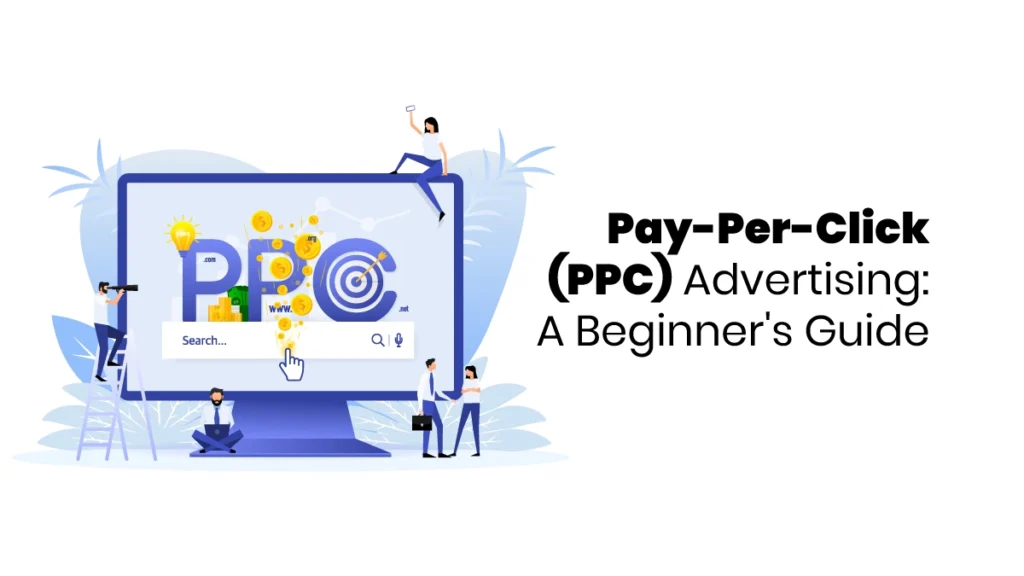
PPC advertising lets you place ads on search engines and websites, paying only when someone clicks on them. This beginner’s guide is perfect for small business owners, marketing newcomers, and entrepreneurs who want to drive targeted traffic without waiting months for organic results.
You’ll learn the core principles of pay-per-click marketing and discover which platforms work best for different business goals. We’ll also walk you through setting up effective campaigns and show you how to track your results so you know exactly what’s working and what needs improvement.
How Does PPC Work?
PPC advertising is based on keywords and bidding systems. Here’s how it works step by step:
Advertisers select keywords relevant to their business.
Example: A dentist may target keywords like “dentist near me” or “teeth whitening services.”They create an ad campaign on platforms like Google Ads or Facebook Ads.
They set a maximum bid — the amount they are willing to pay for each click.
An auction takes place whenever a user searches for something related to their keywords.
Search engines decide which ads to show based on:
Bid amount
Ad relevance
Quality Score (Google’s measure of how useful your ad and landing page are)
User clicks the ad → Advertiser pays the cost-per-click (CPC).
User lands on the advertiser’s website/landing page → Chance of conversion (buying, signing up, etc.).
Key PPC Platforms
PPC isn’t limited to Google Ads. There are multiple platforms where businesses can run paid ads. Here are the most popular ones:
1. Google Ads
Largest PPC platform in the world.
Ads appear on Google search results and partner sites.
Great for businesses targeting high-intent customers.
2. Microsoft Ads (Bing Ads)
Similar to Google Ads but smaller audience.
Often cheaper clicks since competition is lower.
3. Facebook & Instagram Ads
Perfect for targeting specific demographics and interests.
Works well for brand awareness, engagement, and sales.
4. LinkedIn Ads
Best for B2B marketing.
Helps reach decision-makers and professionals.
5. YouTube Ads
Video-based PPC ads.
Ideal for product demos, tutorials, and brand promotion.
Types of PPC Ads
There are different formats of PPC ads depending on your goal:
Search Ads – Text ads shown on search engines.
Display Ads – Banner/image ads shown across websites.
Shopping Ads – Product-based ads with price and image (great for e-commerce).
Video Ads – Shown before or during YouTube videos.
Social Media Ads – Paid ads on Facebook, Instagram, LinkedIn, Twitter, etc.
Remarketing Ads – Targeting people who already visited your website.
Benefits of PPC Advertising
Why should businesses invest in PPC? Here are some key benefits:
Instant Results – Unlike SEO, PPC can start driving traffic the moment your campaign goes live.
Highly Targeted – Ads can be shown to specific demographics, locations, interests, and search intent.
Measurable ROI – Every click, conversion, and cost can be tracked easily.
Budget Control – You decide how much to spend daily or monthly.
Brand Visibility – Even if people don’t click, they still see your brand at the top.
Better Conversions – Since you target high-intent users, conversion rates are often higher.
PPC vs. SEO: Which is Better?
Many beginners wonder: Should I invest in SEO or PPC?
SEO (Search Engine Optimization) takes time but provides long-term free traffic.
PPC delivers immediate results, but you pay for every click.
👉 The best strategy is to combine both: Use PPC for instant traffic & testing, and SEO for long-term growth.
How to Start a PPC Campaign (Step by Step)
1. Define Your Goals
Do you want sales, leads, brand awareness, or website traffic?
2. Choose the Right Platform
Google Ads for search intent.
Facebook/Instagram for brand engagement.
LinkedIn for B2B.
3. Keyword Research
Use tools like Google Keyword Planner, SEMrush, or Ahrefs.
Focus on high-intent keywords like “buy running shoes online” instead of broad ones like “shoes.”
4. Set Your Budget & Bids
Start small, test, then scale.
Decide your maximum CPC (cost-per-click).
5. Create Compelling Ads
Headlines should be clear and catchy.
Use CTAs (Call-to-Actions) like “Buy Now,” “Sign Up,” “Get Offer Today.”
6. Design a High-Converting Landing Page
Make sure the page matches the ad’s promise.
Keep it simple, fast-loading, and mobile-friendly.
7. Track & Optimize
Use Google Analytics or platform dashboards.
Track CTR (Click-Through-Rate), CPC, and conversions.
Test different ad copies (A/B testing).
Common PPC Mistakes Beginners Make
Targeting too broad keywords.
Not tracking conversions properly.
Sending clicks to a homepage instead of a landing page.
Ignoring negative keywords (terms you don’t want to show ads for).
Not optimizing campaigns regularly.
Example of PPC in Action
Let’s say Kasif runs a digital marketing agency in Delhi. He wants more clients.
He creates a Google Ads campaign targeting keywords like “digital marketing agency in Delhi”.
His ad appears at the top when someone searches that.
A business owner clicks the ad, visits his website, and books a free consultation.
Kasif pays for the click, but gains a potential client worth thousands.
This is how PPC provides a high ROI when done correctly.
FAQs about PPC Advertising
Q1: How much does PPC cost?
It depends on your industry and competition. Some keywords cost ₹10 per click, while competitive ones like insurance or finance may cost ₹500+.
Q2: Is PPC suitable for small businesses?
Yes, small businesses can run PPC campaigns with a small budget and target only local customers.
Q3: How soon can I see results from PPC?
Immediately after launching a campaign. Unlike SEO, PPC delivers instant traffic.
Q4: Can I run PPC myself or do I need an agency?
You can start on your own, but hiring a digital marketing agency helps optimize and save costs in the long run.
Conclusion
PPC advertising is one of the fastest and most effective ways to reach customers online. For beginners, it may seem complex, but once you understand keywords, bidding, and ad targeting, it becomes a powerful tool for growth.
Whether you run a small business or a large company, PPC can help you get immediate visibility, attract quality leads, and boost sales. The key is to start small, test, optimize, and scale your campaigns.
So, if you want to grow your business in 2025, PPC advertising should definitely be part of your digital marketing strategy.